This technical operation manual provides standardized troubleshooting procedures and key operational points for servers and websites hosted in the United States. By integrating network, service, logging, and GEO optimization, it helps operations quickly locate and restore services, ensuring stability and auditability, facilitating execution and optimization in North America.
Scope of Application: Suitable for servers and websites deployed in US data centers or cloud environments. The goal is to establish repeatable and traceable troubleshooting processes, shorten recovery times, balance data sovereignty and geographic optimization, and provide the operations team with a unified operational framework and documentation requirements.
Before troubleshooting, confirm the operations account and permissions, remote access channels (SSH, Control Panel), alert subscriptions, and the location of the nearest backup. Obtain change records and release logs, record current system snapshots, avoid destructive operations under unknown changes, and ensure every step is rollback and auditable.
The first step is to check network connectivity: perform ping/traceroutes from different regional nodes, verify firewall and security group rules, and verify DNS resolution and CDN configuration. Network issues are a common root cause of website and streaming service interruptions, requiring confirmation of packet loss, latency, and bandwidth bottlenecks.
Check the status of key services: web server, application processes, database, and media transcoding services. View the service manager, process list, and port occupancy to identify dead or overloaded processes. If necessary, services are gradually restarted according to SOPs, with timing and scope of impact recorded.
Analyze access logs, application error logs, and system logs, and combine monitoring metrics (CPU, memory, disk IO, network throughput) to identify abnormal trends. Using the user's fault reporting time as an anchor point to compare logs and alerts, using sampling and aggregation to quickly locate abnormal requests or resource bottlenecks.
Website AV issues often include media stream interruptions, encoding delays, and playback failures. During troubleshooting, pay attention to media endpoint configuration, stream protocol compatibility, transcoding queues, and bandwidth utilization, check distribution links and caching policies, verify cross-region distribution delays, and adjust GEO routing or CDN policies.
Establish emergency recovery strategies: automated restart and rollback scripts, backup nodes and line switching, data recovery processes. Develop SOPs and conduct regular drills and fault injection tests to ensure teams can respond quickly and step by step in real incidents and minimize impact.
Deployment in the U.S. requires consideration of GEO traffic optimization, CDN node coverage, and data compliance. Record the distribution of access sources, optimize routing and caching strategies, and comply with relevant data protection and audit requirements to ensure stable cross-border access and compliance constraints.
Summary: This manual provides a structured workflow for site aV troubleshooting on servers in the United States, covering key points such as preparation, network and service positioning, log analysis, GEO optimization, and recovery. It is recommended to combine automation tools with improved monitoring, regularly update SOPs, and conduct drills to maintain document traceability and smooth team collaboration.

- Latest articles
- Common IP Setting Errors And Solutions For Singapore Servers Explained In Detail
- Compare Different Platforms To Teach You How To Efficiently And Securely Purchase Native Taiwan IPs
- Detailed Tutorial: Learn How To Properly Use Ping Taiwan Servers For Link Testing On Different Systems
- Differences And Applicable Scenarios Between CN2 GIA Hong Kong And Other CN2 Types Of Lines
- Hospital System Integration Analysis: Data Security And Compliance Of Chinese Servers In Thai Hospitals
- Using High-definition Images Of The Hong Kong Data Center Office To Evaluate The Rationality Of Cabinet Spacing And Air Conditioning Layout
- International Deployment Guide For Multilingual Websites Supported By Cloud Servers In The Philippines And Cambodia
- Setting Up A Cambodia LoL Server Analysis Of Server Stability And Bandwidth Requirements
- Service Provider Selection Recommendation: China To Japan Cn2 SLA And Service Coverage Comparison Checklist
- User Testing Of Alibaba Cloud 24 RMB Server In Malaysia Latency And Bandwidth Performance Report
- Popular tags
-
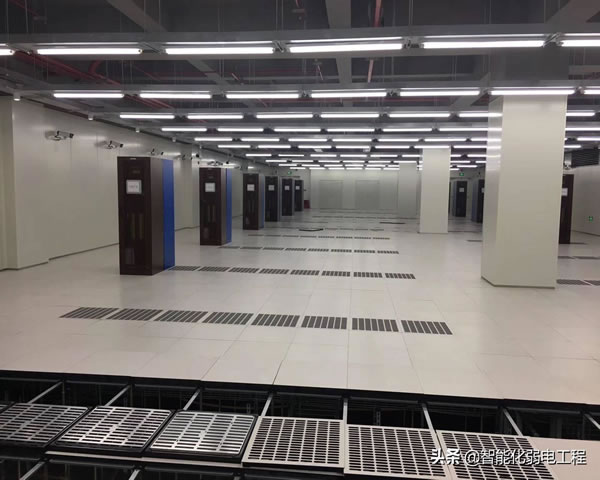
Affordable U.S. High-defense Server Operation And Maintenance Strategy Includes Automation And Cost Optimization Methods For Monitoring
Introducing affordable operation and maintenance strategies for high-defense servers in the United States, focusing on automation and cost optimization methods for monitoring. Covering architecture design, tool practices, monitoring metrics, and elastic scaling helps reduce total operations costs and improve availability. -

Benefits And Applications Of Using Multi-c Segment Ip Us Station Group Servers
discuss the benefits and applications of using multi-c-segment ip servers in the united states to improve seo effects and optimize website operations. -
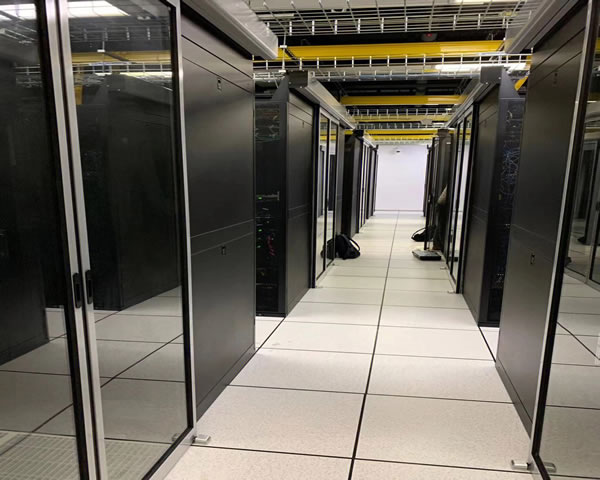
Recommendation Of Us Server Providers And Analysis Of Their Service Features
this article provides a detailed analysis of the service features of multiple u.s. server providers to help users choose a suitable server provider.